


Re-architected marketplace to restore growth post $61M Series A
Directed platform UX overhaul and rebrand to modernize discovery, improve licensing trust, and unlock scalable monetization.
ROLE Director, Product Design + Creative
FOCUS Marketplace Strategy & AI
TIMELINE 2015 — 2018
10x
Marketplace Revenue
$10k > $100k daily revenue over 3 years post replatform.
$250M
Shutterstock Acquisition
Marketplace transformation
validated through exit
10M
New Assets Uploaded
14× supply growth
post-investment
01 STRATEGIC FRAMING
The Inflection Point
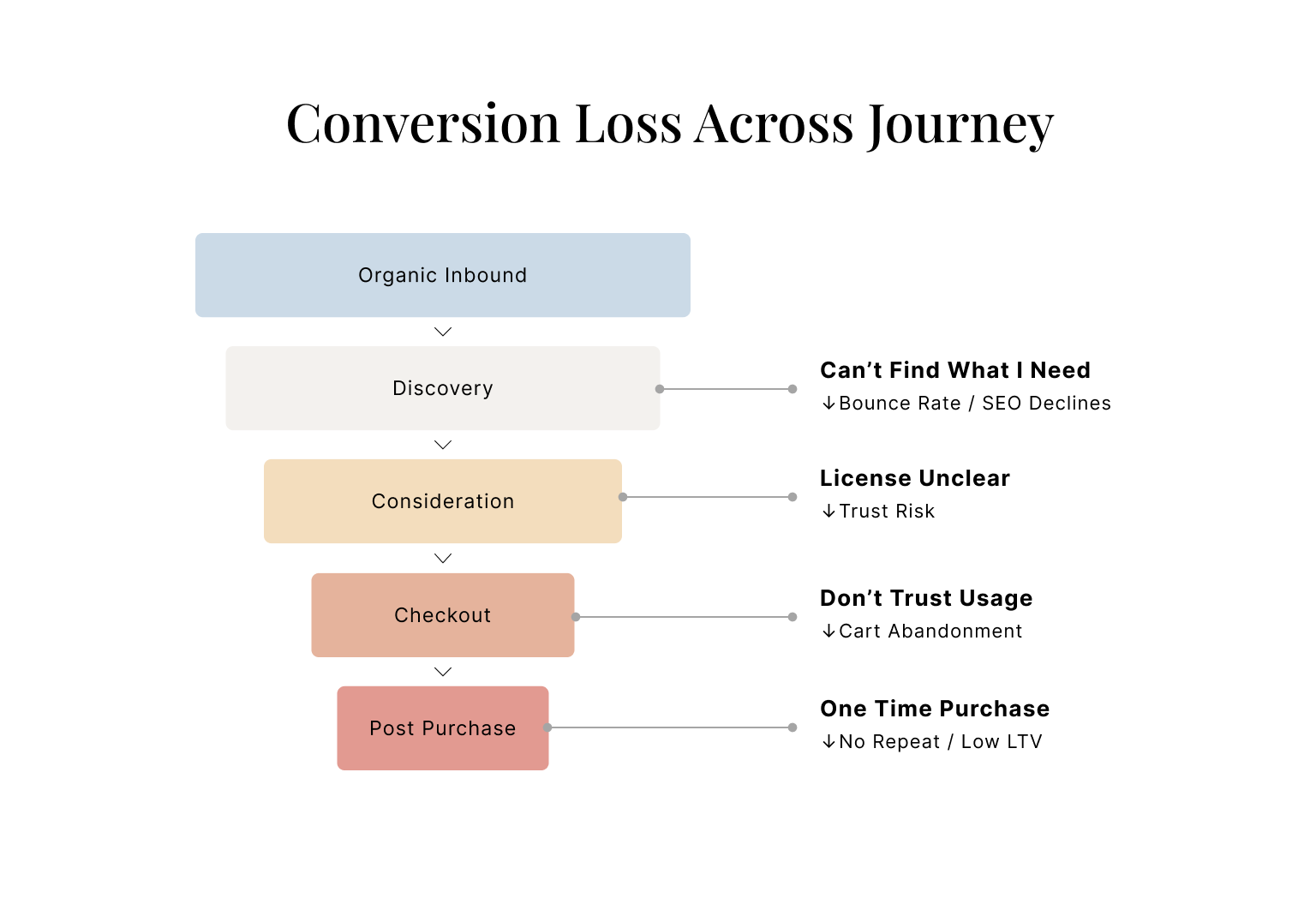
Following venture funding, Pond5’s growth plateaued across both contributor supply and buyer conversion.
Discovery workflows had become fragmented, licensing unclear, and the marketplace experience increasingly transactional — limiting repeat usage and long-term customer value.
Discovery disconnected from purchase intent
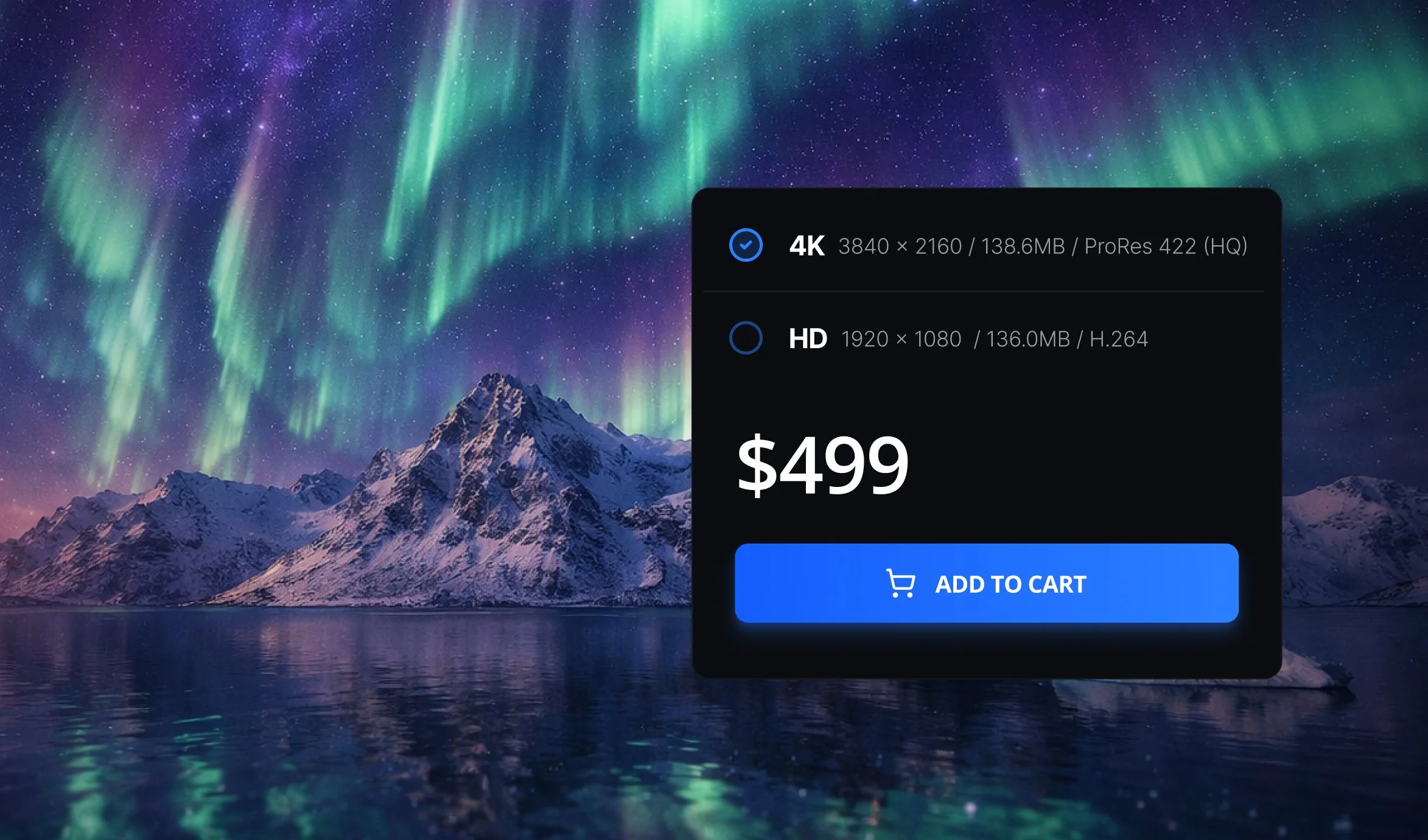
Licensing friction created drop-off
Contributor supply growing faster than demand
Revenue growth plateauing post-funding
Revenue Deceleration
+8%
↓ from prior double- & triple-digit performance
Traffic Contraction
-20%
Declining inbound demand
Cart Abandonment
40%
Licensing friction at checkout
Transaction Decline
-2%
Marketplace liquidity risk
Creating Economic Gravity
We restructured discovery and licensing workflows to reduce cognitive load and bring purchase intent closer to asset discovery.
02 MARKETPLACE CORE

CORE FLOWS
-
Milestone-based payments added buyer and seller protection — positioning the platform as the trusted intermediary and reducing off-platform settlement.
-
Centralized communication maintained platform authority and prevented off-platform drift.
-
Item description
-
Projects converted informal conversations into structured, milestone-based engagements with integrated payments — reducing off-platform leakage.
Aligning Creator, Buyer, and Platform
Product-led monetization required aligning contributor supply, professional buyers, and platform revenue capture.
03 MONETIZATION


-
The membership model introduced predictable pricing and clearer value for professional buyers who relied on stock assets regularly. Subscription tiers bundled downloads and pricing benefits, making the platform easier to budget for ongoing creative work.
This shift increased purchase frequency while strengthening long-term customer relationships.
-
Enterprise licensing expanded Pond5’s ability to serve larger production teams and organizations with higher usage needs. Custom licensing agreements and scalable pricing allowed the platform to support enterprise workflows without forcing buyers into one-off transactions.
This created a pathway for larger accounts and increased overall deal value.
-
Project tools allowed buyers to organize assets, collaborate with teams, and manage selections directly within the platform. Instead of treating each purchase as an isolated transaction, the platform began supporting the broader creative workflow.
These tools increased repeat engagement and positioned Pond5 as an active part of the production process rather than a simple asset library.
ENFORCEMENT IN PRACTICE
Membership
We introduced a membership model to support repeat usage and simplify pricing for professional buyers.
By bundling downloads and clarifying licensing access, the flow reduced purchase friction and shifted Pond5 from one-off transactions toward a recurring buyer relationship.


04 INTENT AND MATCHING
Optimizing Liquidity
LLM-powered workflows structured buyer intent and improved match precision — accelerating funded projects and increasing transaction probability.


-
Visual similarity introduced image-based search to reduce the gap between intent and discovery. Buyers could upload reference imagery or explore visually related assets directly from product pages, improving search precision for exploratory workflows.
This reduced friction for buyers who struggled to articulate needs through keywords alone, increasing the likelihood of finding a viable asset within the catalog.
-
Editorial collections were introduced to guide buyers toward high-quality assets aligned with common creative needs. Instead of navigating the entire marketplace catalog, users could explore curated sets organized around themes, use cases, and production styles.
These collections improved discovery efficiency while also highlighting contributor work with higher transaction potential.
-
Behavior-based email campaigns re-engaged buyers who had previously searched, browsed, or purchased assets on the platform. Personalized recommendations surfaced new content aligned with prior activity, increasing return visits and asset consideration.
These lifecycle touchpoints helped move Pond5 beyond one-time transactions toward repeat usage and sustained buyer engagement.
05 BRAND + GROWTH
Repositioning From Library to Professional Platform
Pond5’s brand was rooted in abundance — a vast, low-cost asset library.
As growth plateaued post-funding, this positioning began to erode buyer confidence and limit marketplace monetization.
We partnered across product and marketing to reposition the platform around:
Professional-grade licensing confidence
Creator attribution and economic fairness
Search-driven discovery over asset volume
This included:
Marketplace-wide visual refresh
Licensing clarity in checkout
Enterprise acquisition surfaces
Creator-first merchandising


Before + After

Operating Model
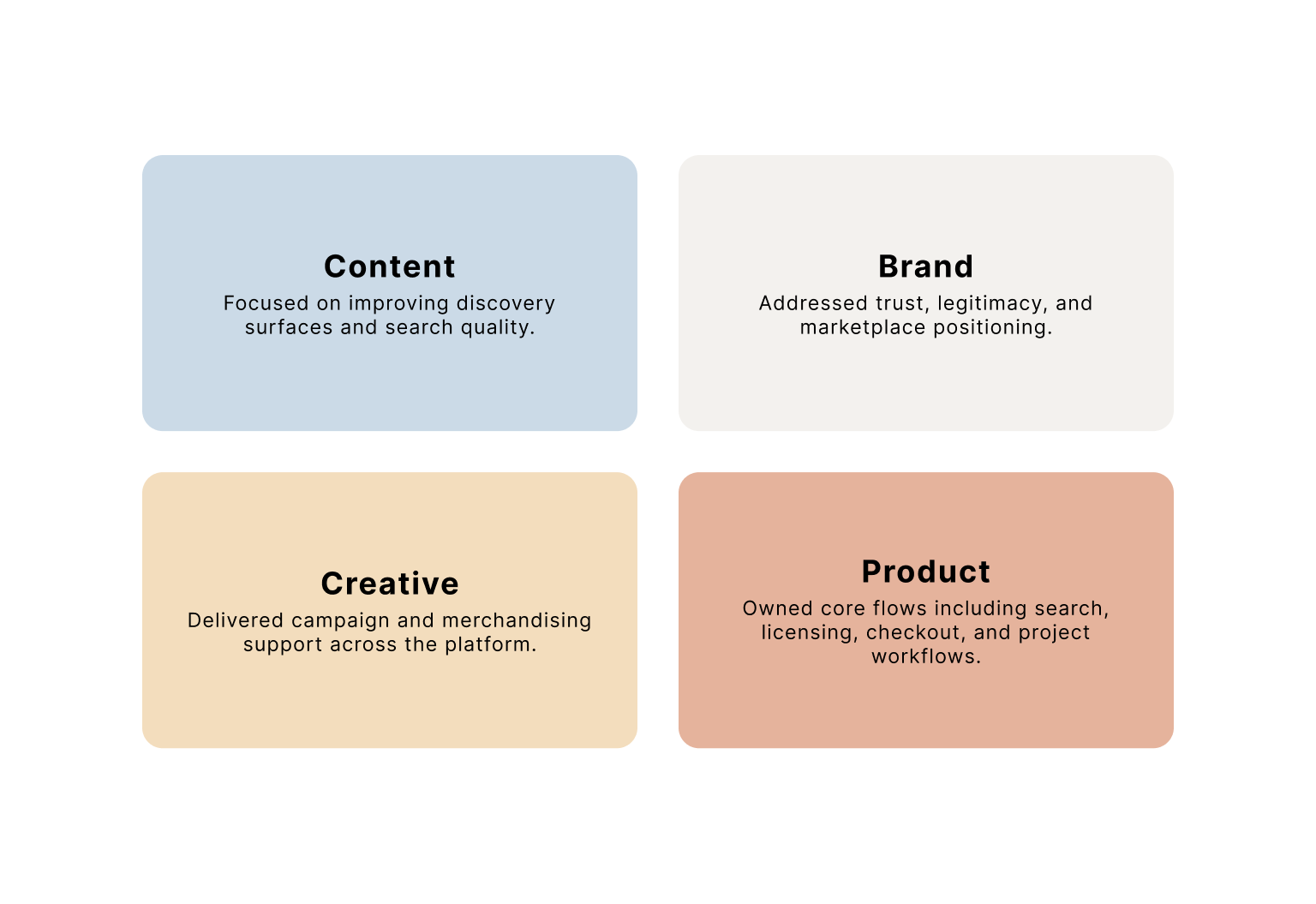
To execute the transformation without halting the existing release cycle, design was scaled from a freelance services model into four embedded workstreams.
These workstreams operated with shared discovery rituals and a centralized design system, enabling parallel progress across acquisition, trust, and monetization.
Long-term Economic Moat
By restructuring discovery, clarifying licensing, and aligning incentives across buyers and contributors, the platform shifted from passive browsing to a marketplace optimized for transaction velocity and repeat engagement.
5X
Library Growth
-29%
License Abandonment
+58%
Repeat Buyer
+170%
Customer LTV
Reflections
Marketplace growth issues rarely live in the interface alone. Discovery, trust, and monetization operate as a system, and improving one layer without addressing the others rarely changes outcomes.
At Pond5, restoring growth required restructuring how buyer intent moved through the platform — aligning discovery, licensing, and purchase so user behavior and marketplace economics could reinforce each other.